



























Natural Resources
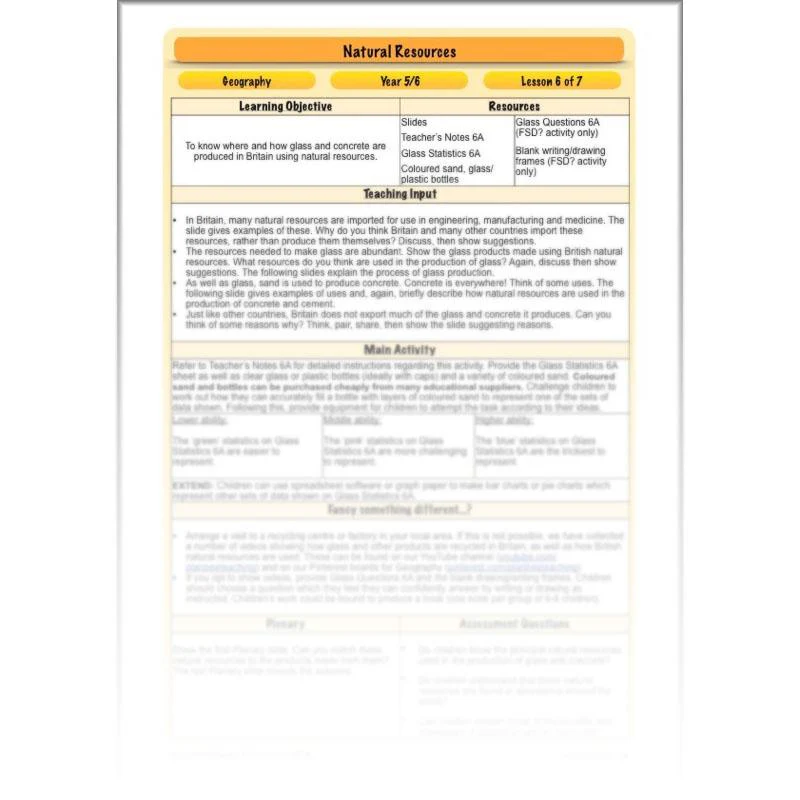
How do we use natural resources in the UK? What is its land used for? What types of natural resources do we use to produce energy? What renewable natural resources do we use? How are products such as concrete, glass, wood and steel produced and traded?
Over the course of up to seven lessons, find out the answers to these questions and many more with 'Natural Resources' - a comprehensive Geography scheme of work for KS2 children in Year 5 or Year 6.
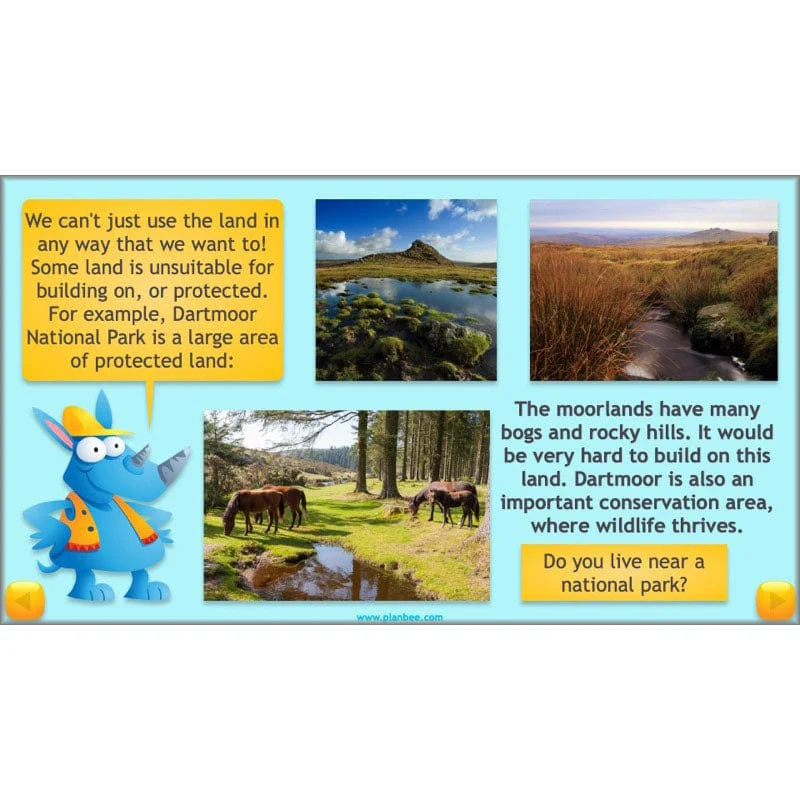
Land Use
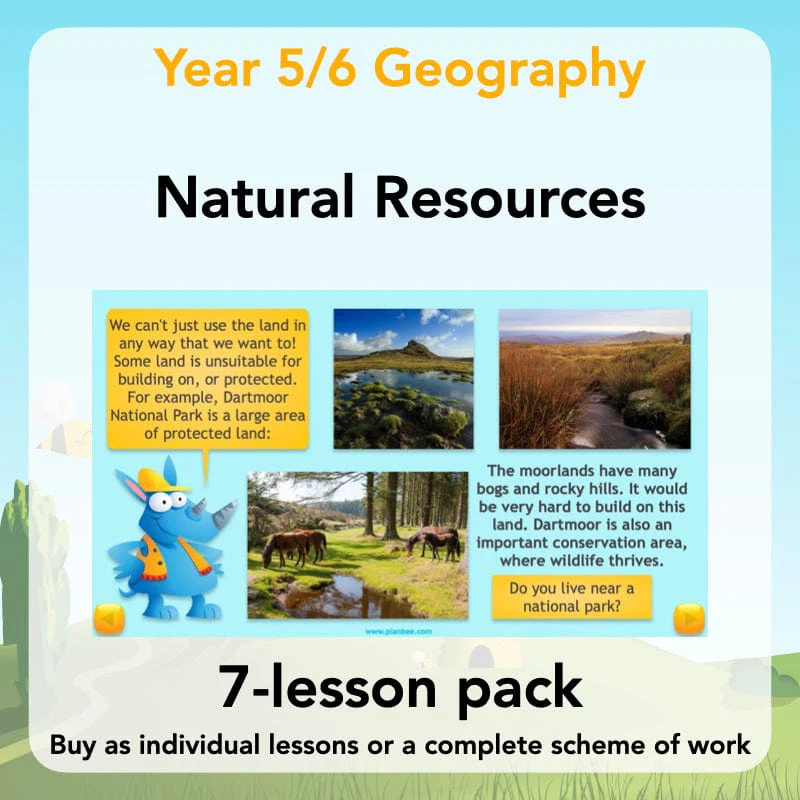
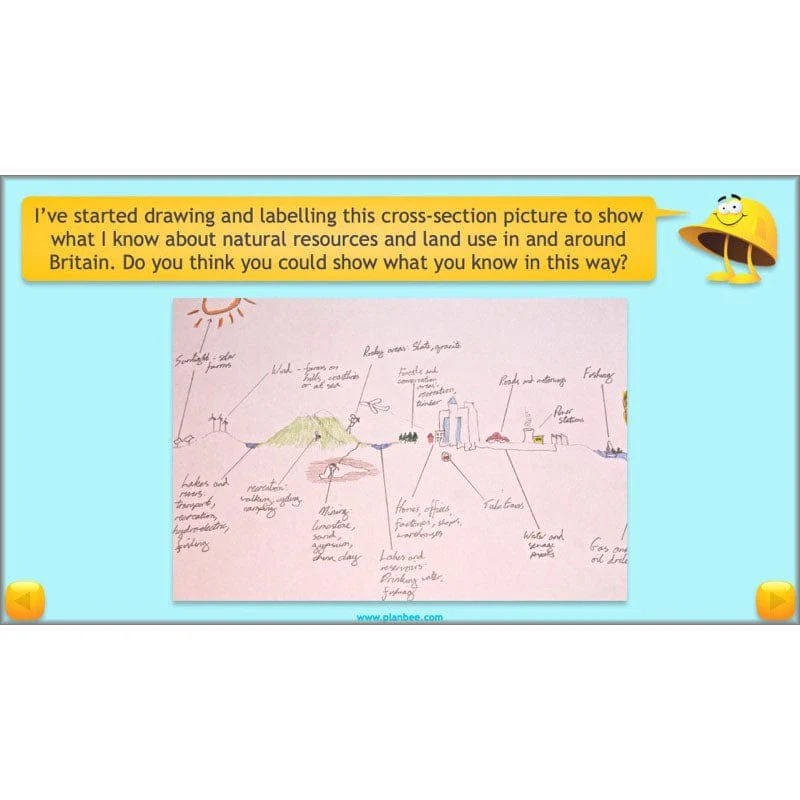
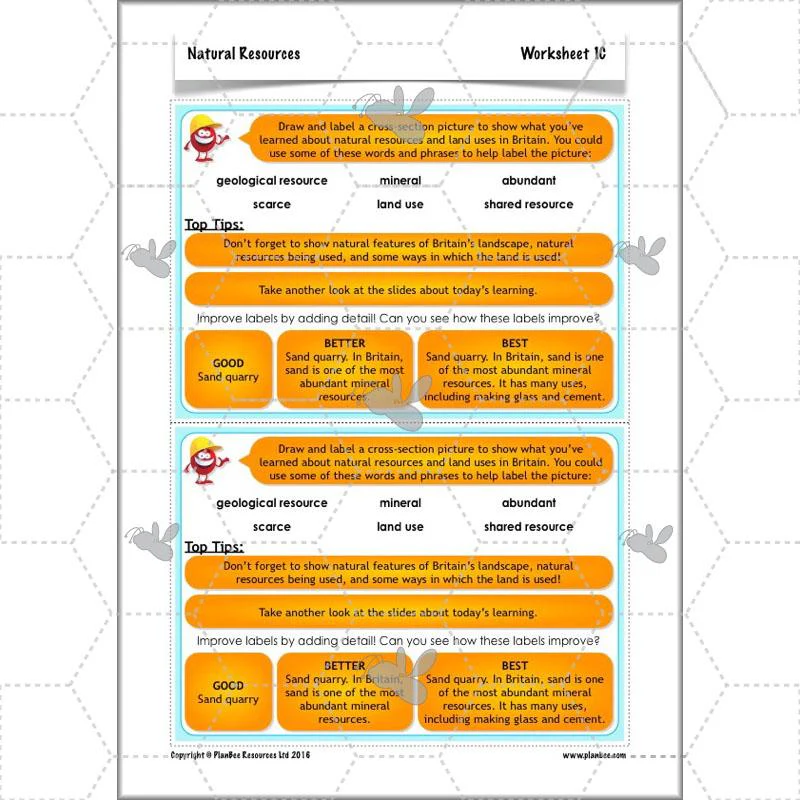
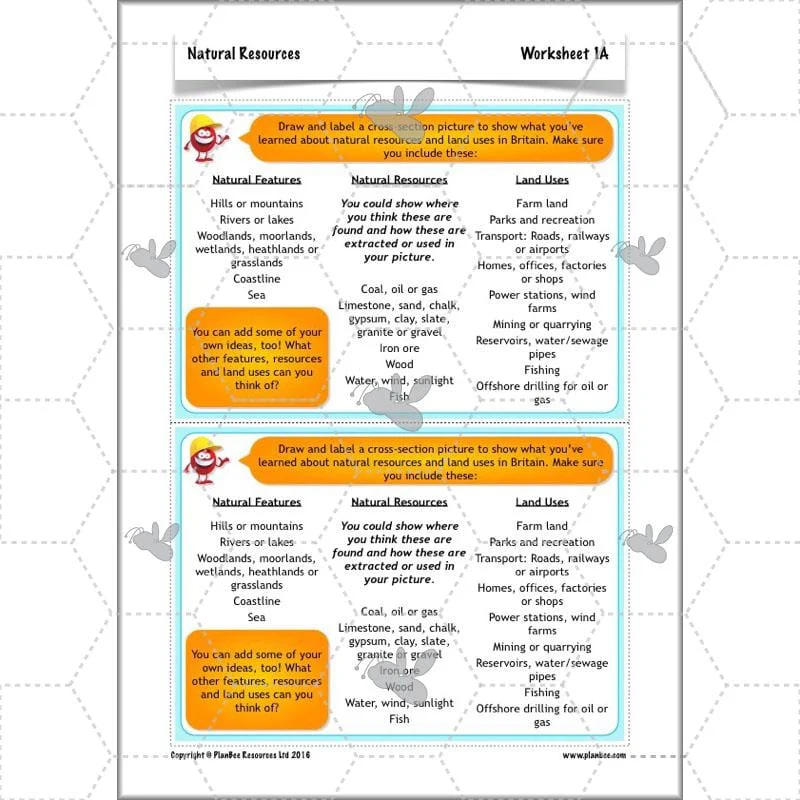
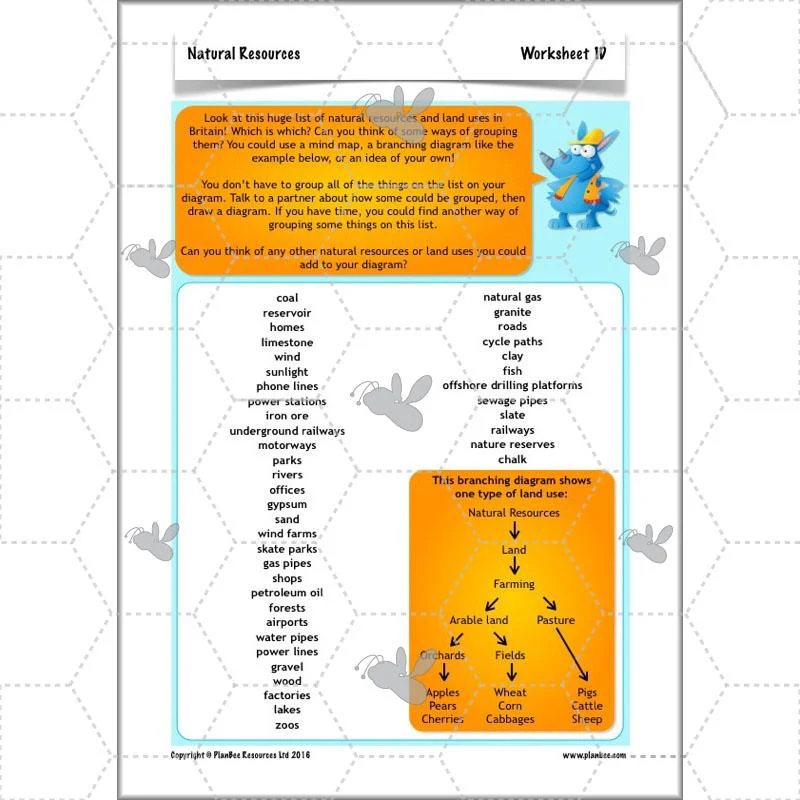
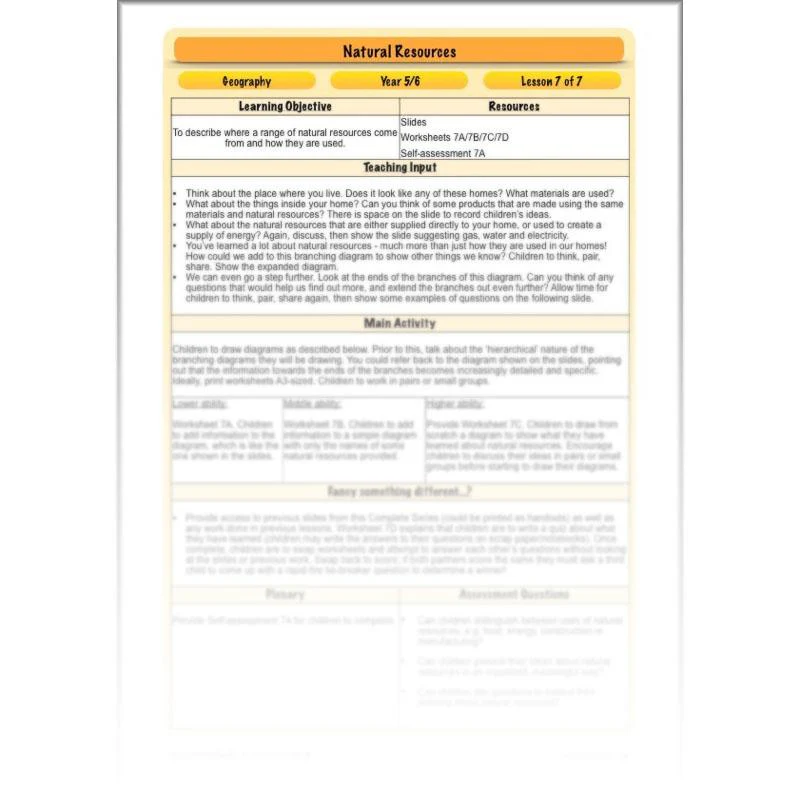
In this lesson, explore how we use one of our most important natural resources in Britain: land. Challenge children to consider the many ways land is used, how it has changed and the factors limiting the ways in which it can be used, then get them drawing, labelling and writing illustrated diagrams to show what they know and what they've learned.
What's included:
- Lesson plan
- Slides
- Activity ideas
- Differentiated natural resources worksheets
- Writing/drawing frames
Burning Gas
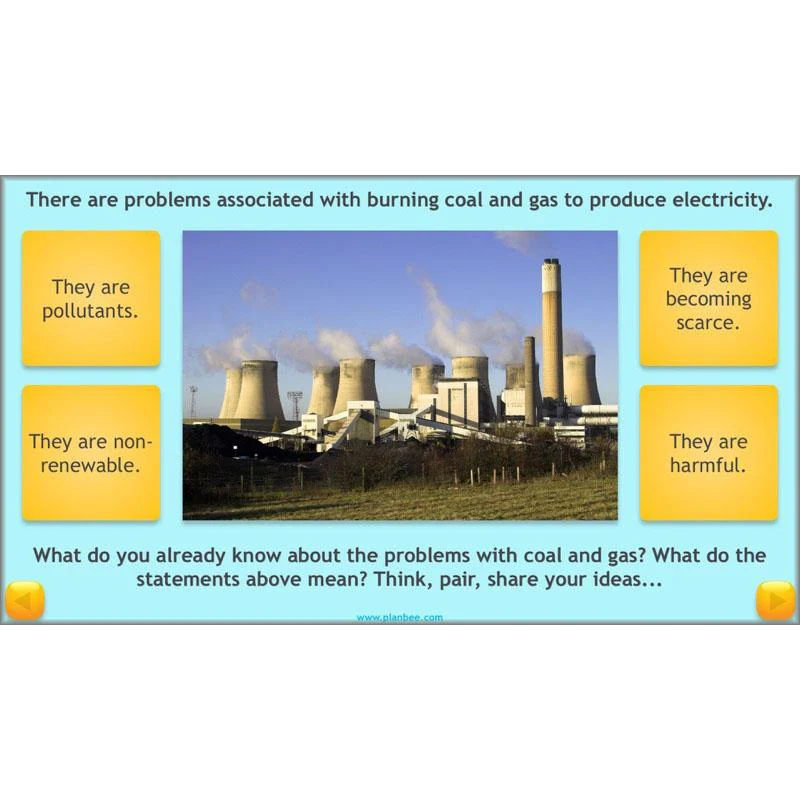
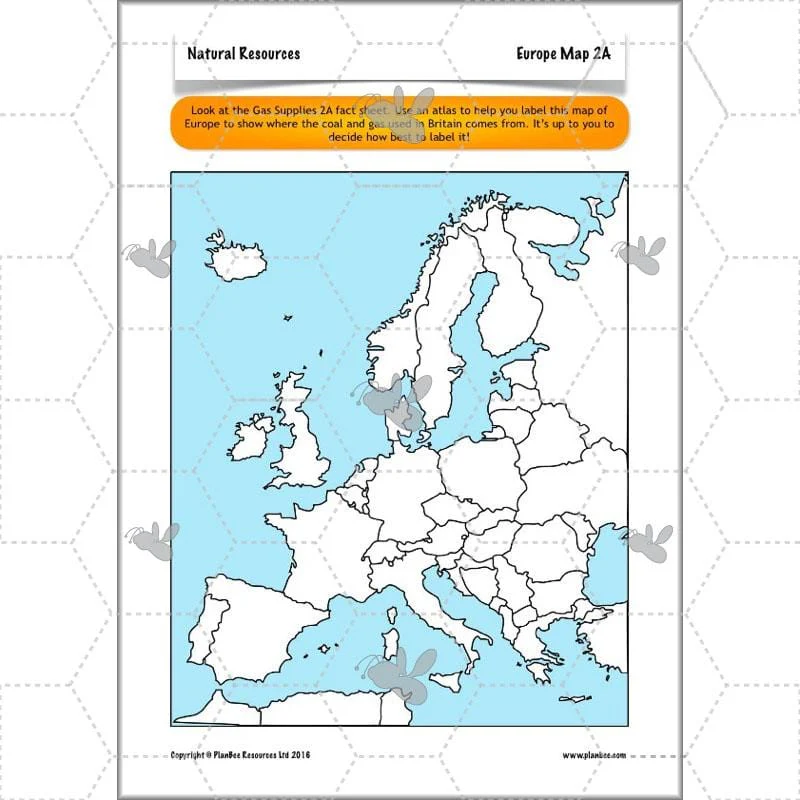
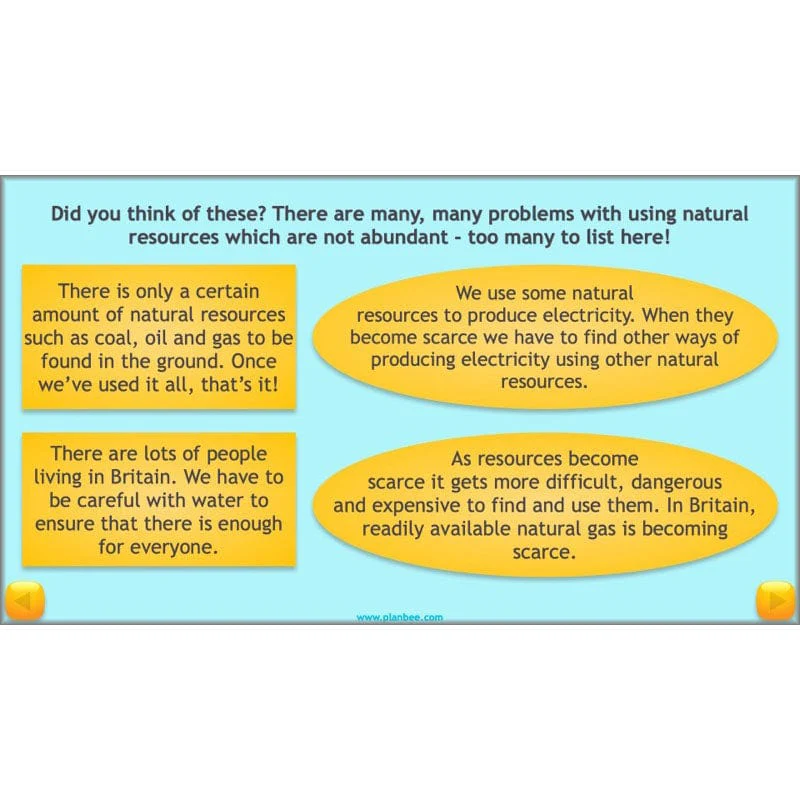
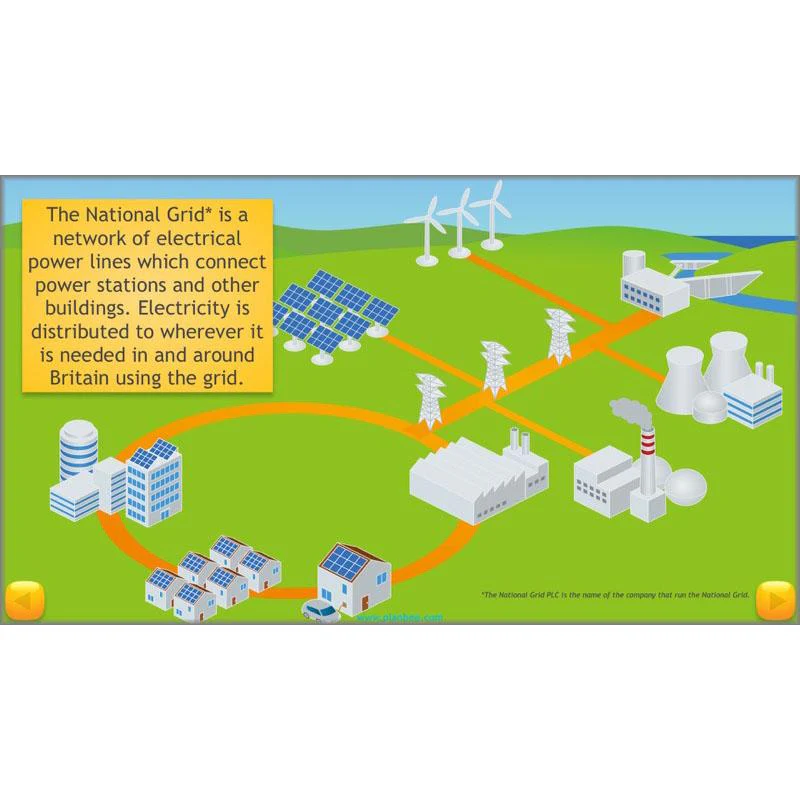
Explore how fossil fuels such as coal and gas are produced not just in the UK, but in other parts of the world. Go on to discover how these products are used to produce electricity, and how this power is then distributed around the country. Additionally, challenge children to consider some of the problems associated with burning coal and gas before they go on to engage with the included selection of challenging activities.
What's included:
- Lesson plan
- Slides
- Natural resources activity ideas
- Information sheets
- Challenge cards
- Writing/drawing frames
Clean Energy
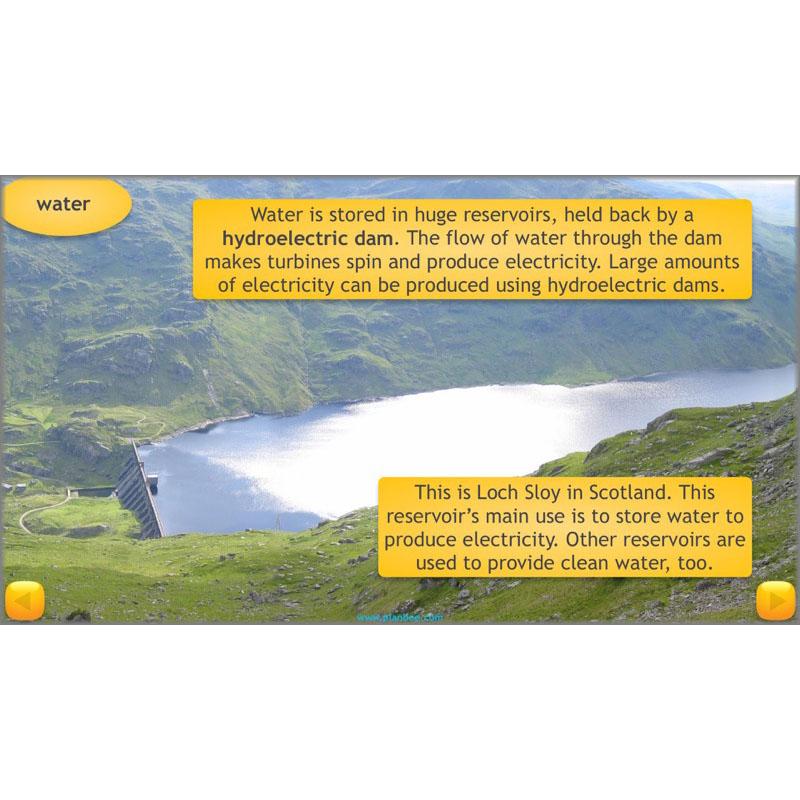
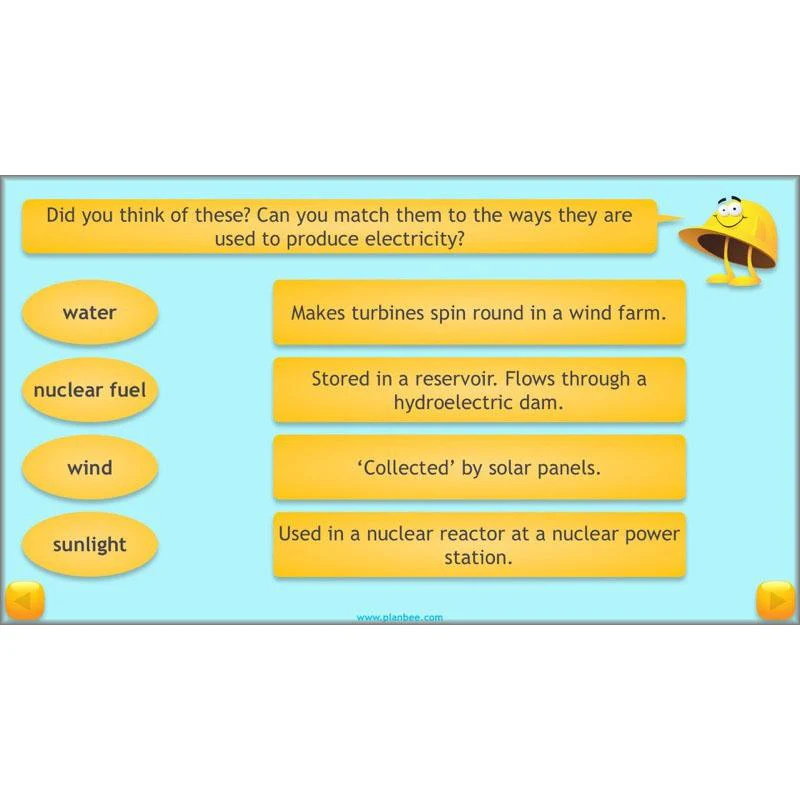
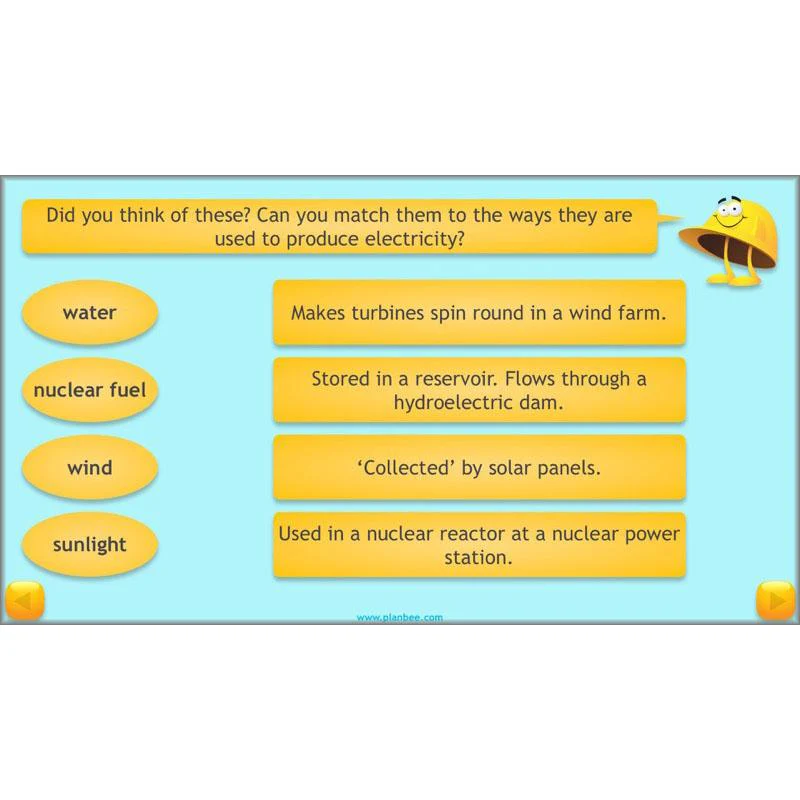
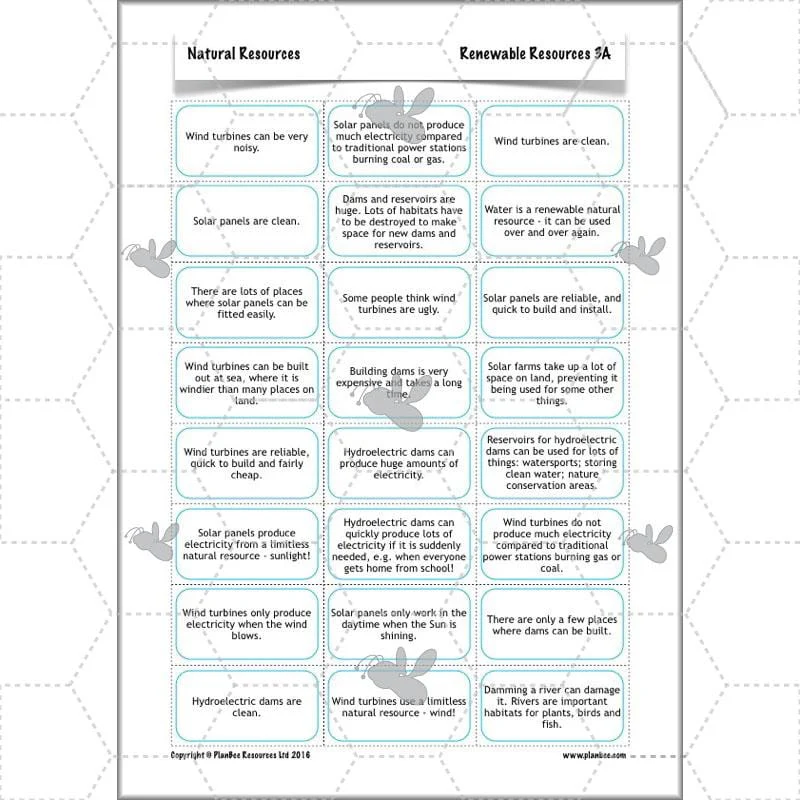
In this lesson, explore some alternative sources of energy production to coal and gas, including a range of clean, renewables such as wind, solar and hydroelectric. Go on to consider and debate the pros and cons of their use or write at length, depending on which of the included activities you choose.
What's included:
- Lesson plan
- Slides
- Activity ideas
- Information sheet
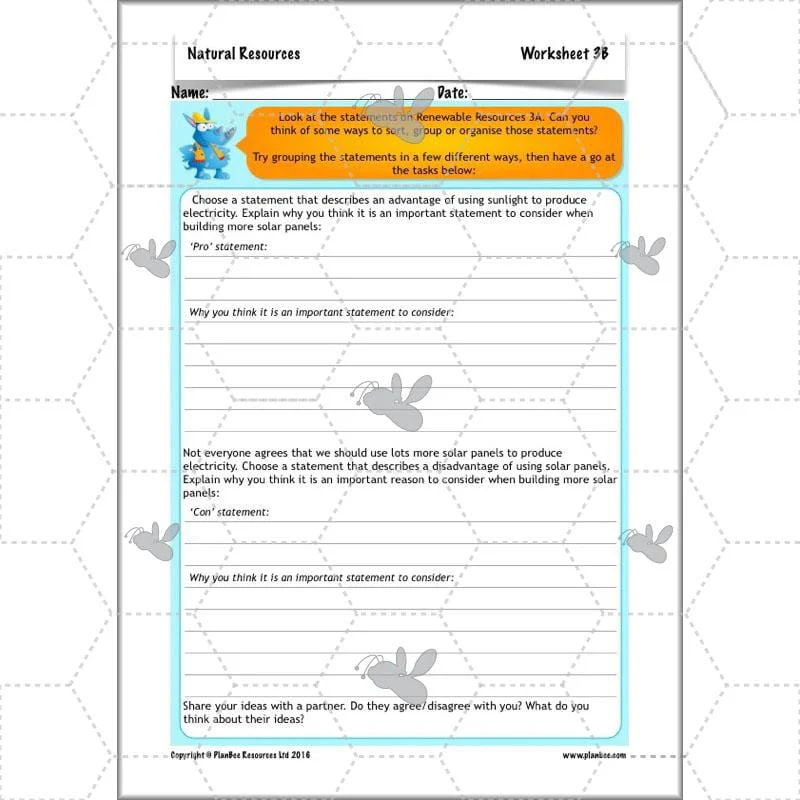
- Differentiated worksheets
Timber, Paper, Rubber
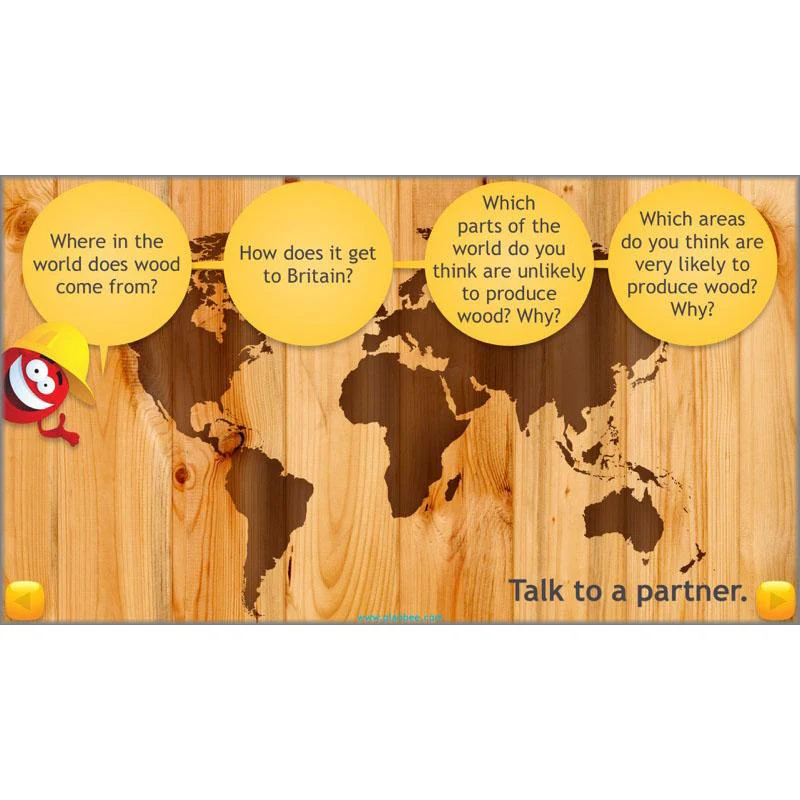
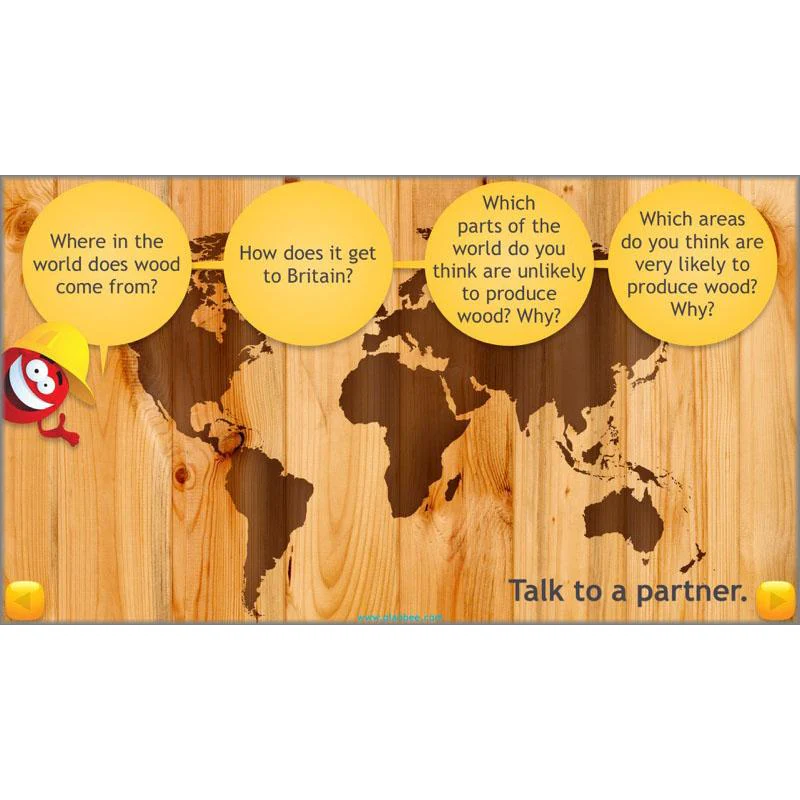
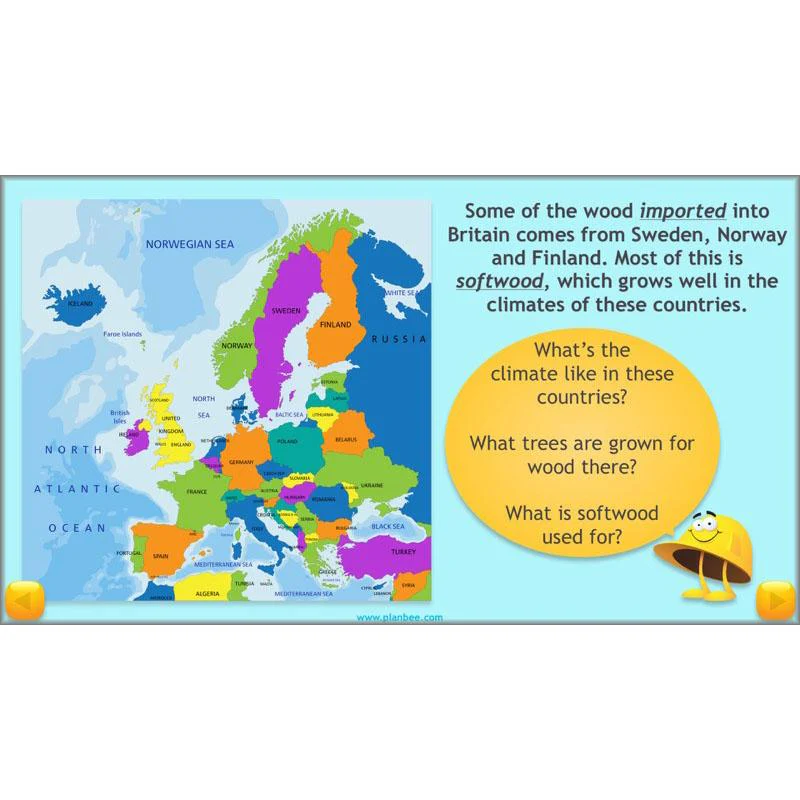
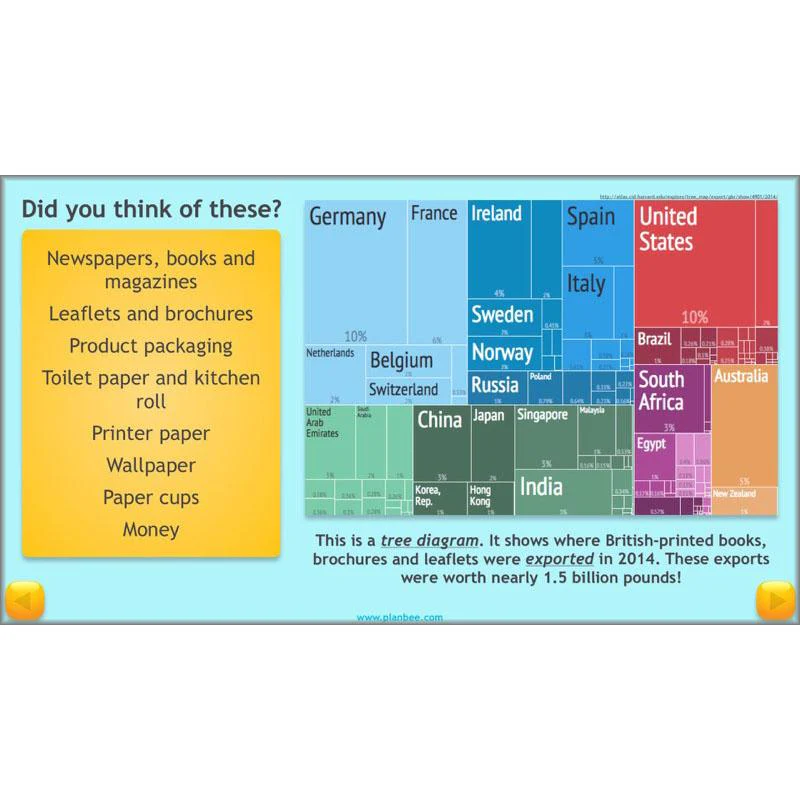
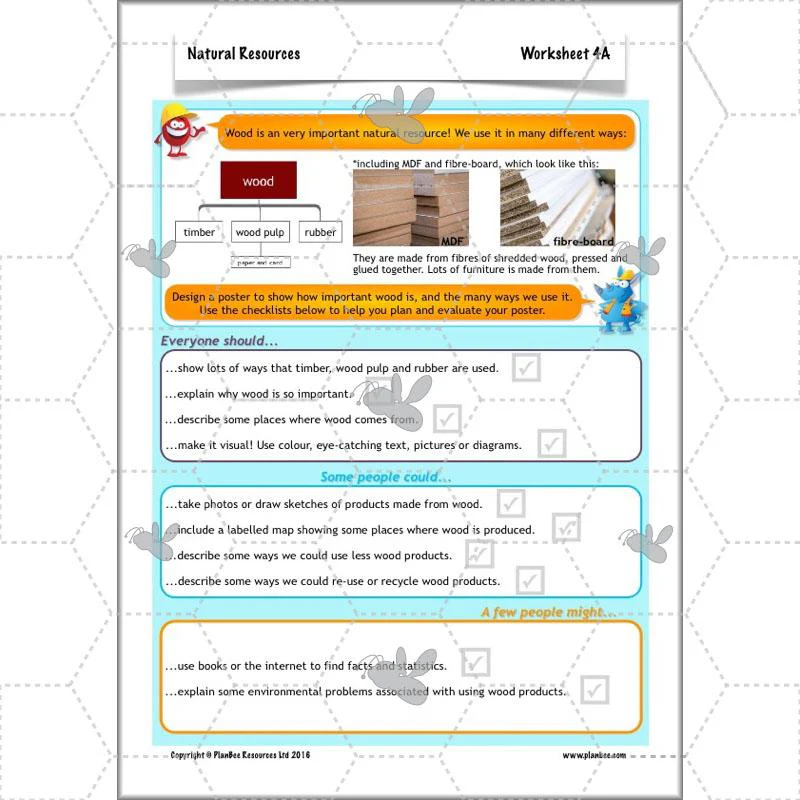
Where in the world is wood produced? What products are made from trees? Why do we, in Britain, import so much wood and so many wood products? Explore these questions and more with the detailed slides included with this lesson, as your children begin to consider the global trade in natural resources. Go on to consider some of the problems associated with wood production, then make posters using the included differentiated checklists to help with planning work.
What's included:
- Lesson plan
- Slides
- Activity ideas
- Poster planning checklist
Steel Production
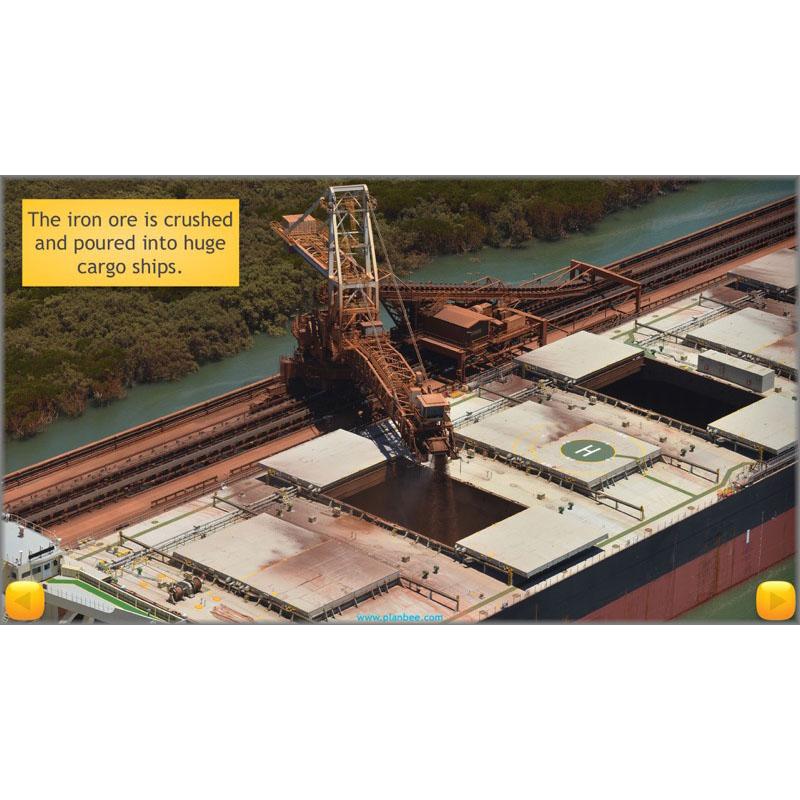
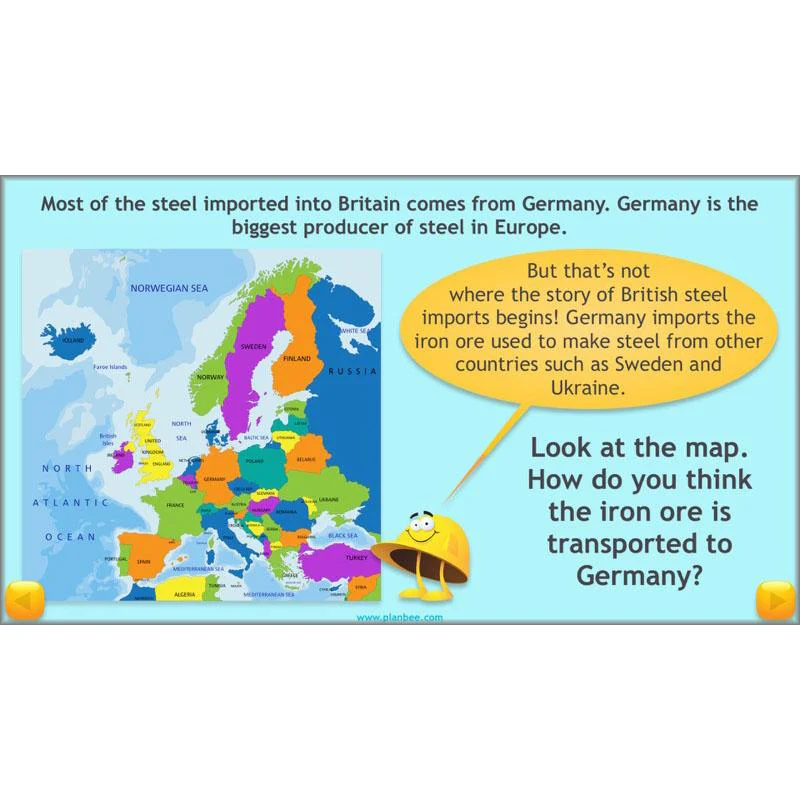
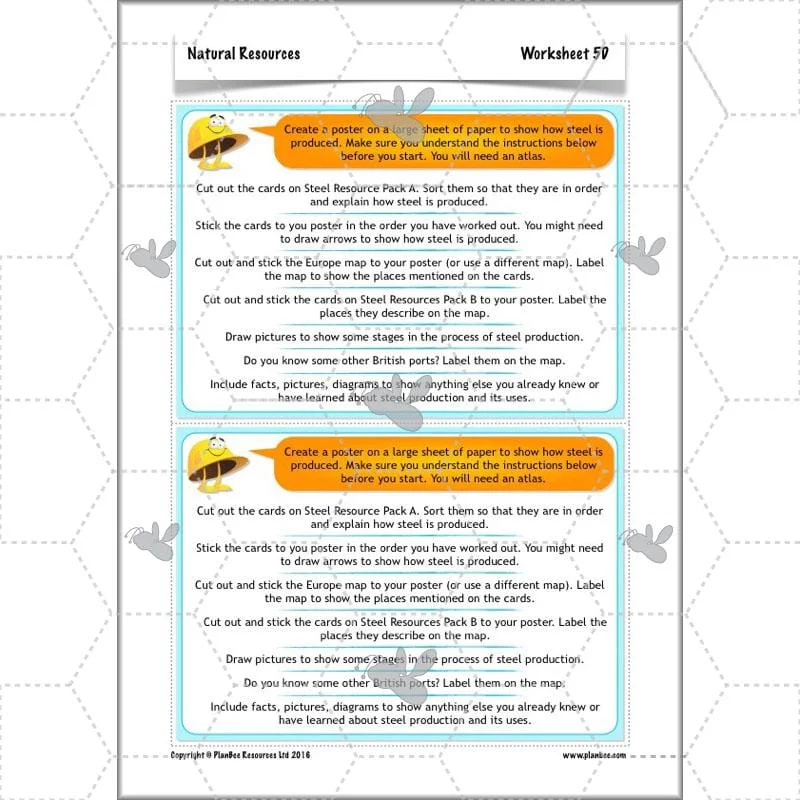
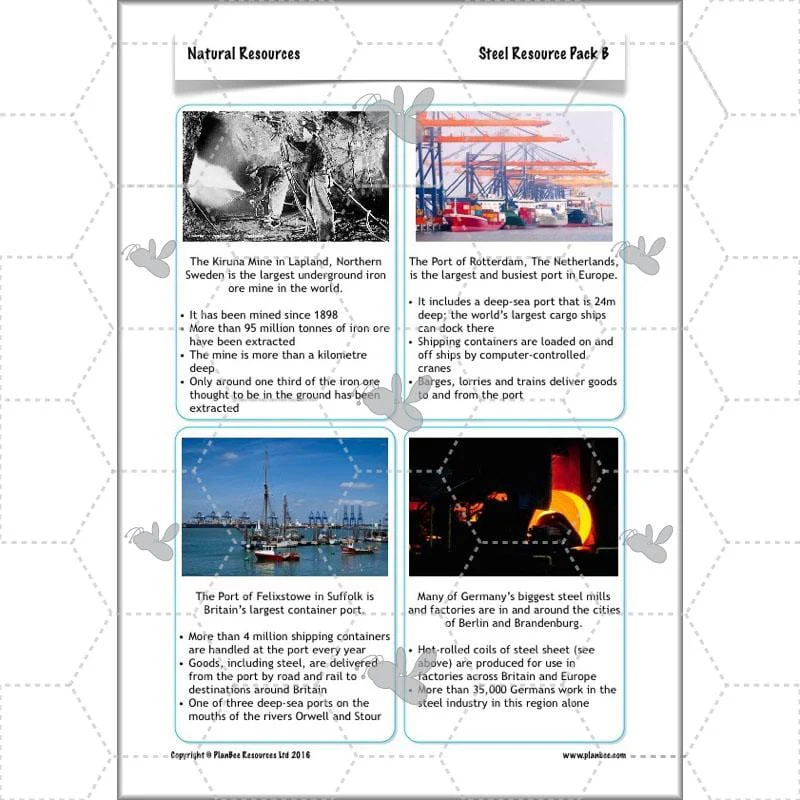
The included slides with this lesson explain in simple terms the process of extracting iron ore, as well as producing, transporting, exporting and importing steel. Find out about the countries which produce large amounts of iron ore and steel as well learning about how goods are shipped from mainland Europe to the UK.
What's included:
- Lesson plan
- Slides
- Activity ideas
- Differentiated worksheets
- Information pack
- Quiz slideshow
Glass and Concrete
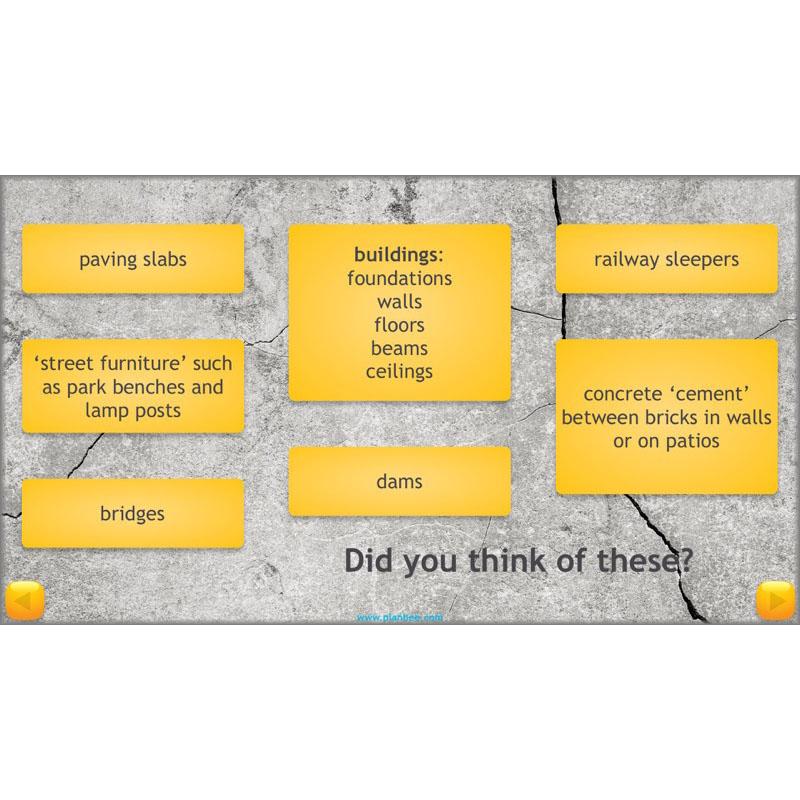
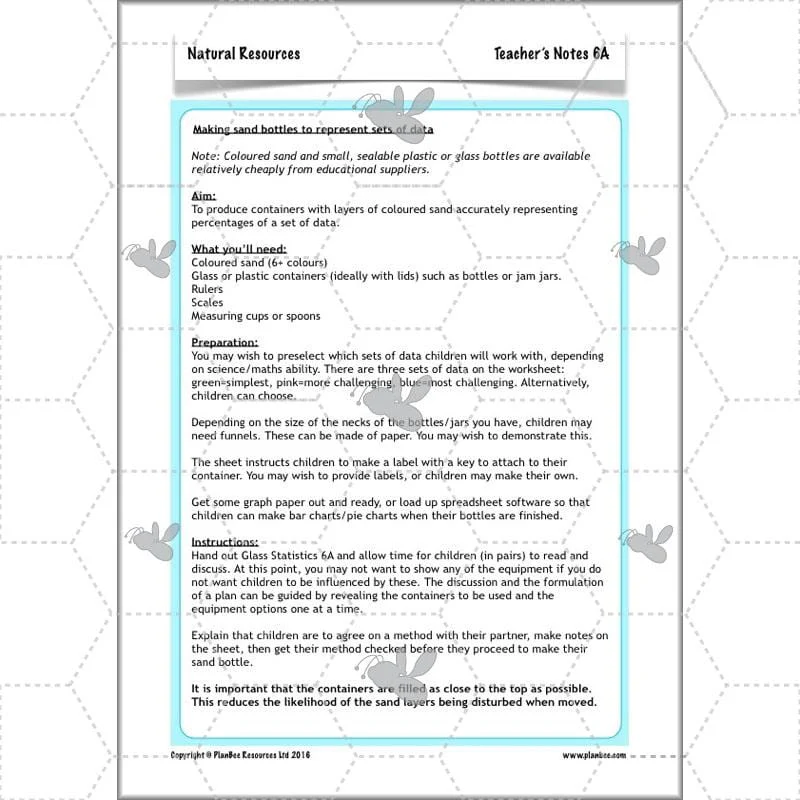
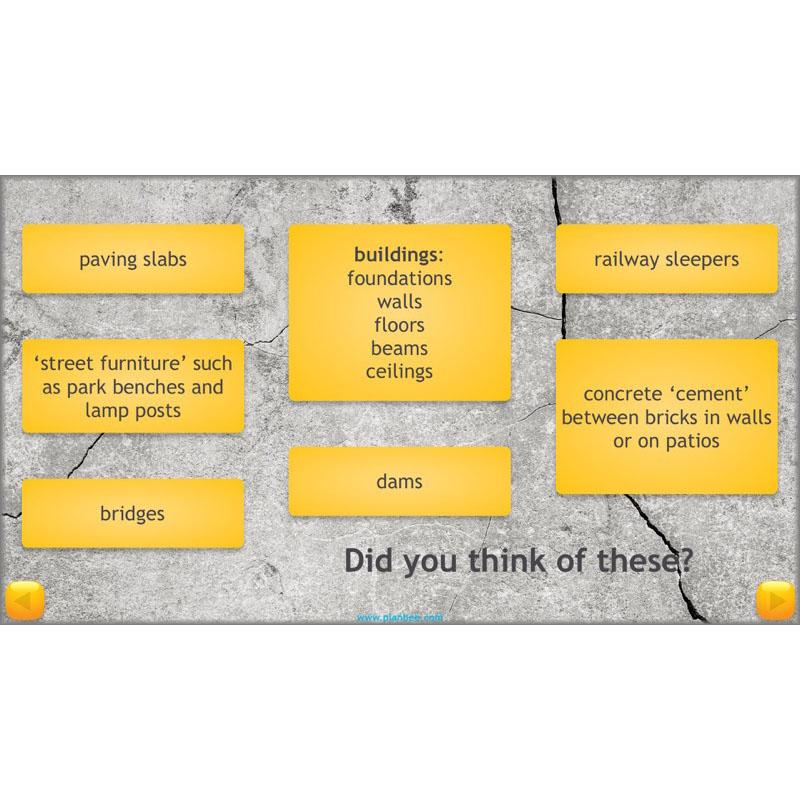
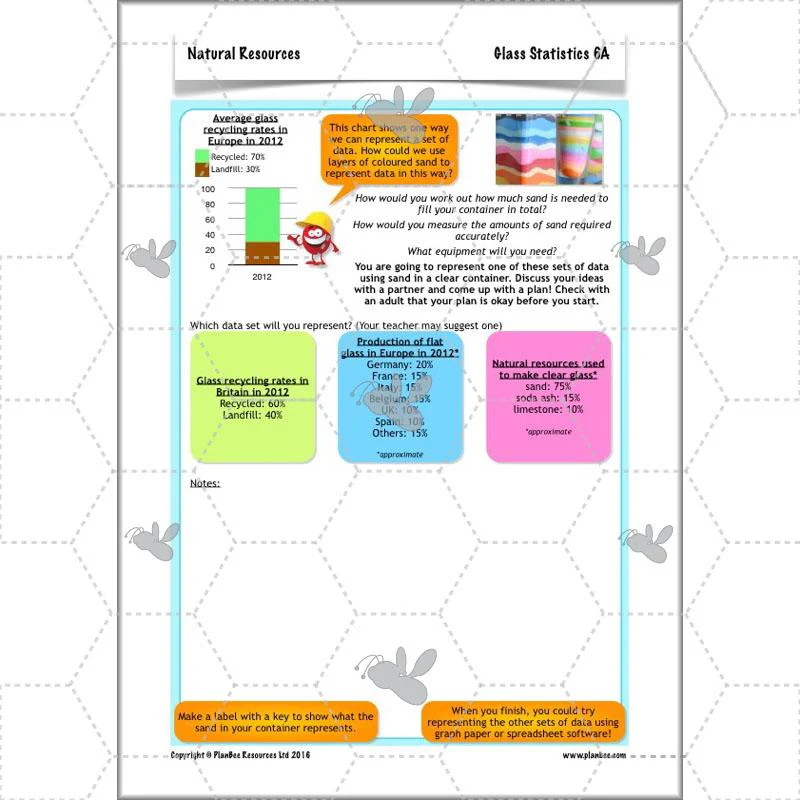
Like many other countries, Britain produces vast amounts of its own glass and concrete for use in manufacturing and construction. Find out all about the fascinating process of quarrying minerals and producing glass. Following this, children can interpret statistics and present them in a different way to show what they've learned by making 'sand bottles'!
What's included:
- Lesson plan
- Slides
- Activity ideas
- Information sheets
- Teacher’s notes
- Writing/drawing frames
What have we learned?
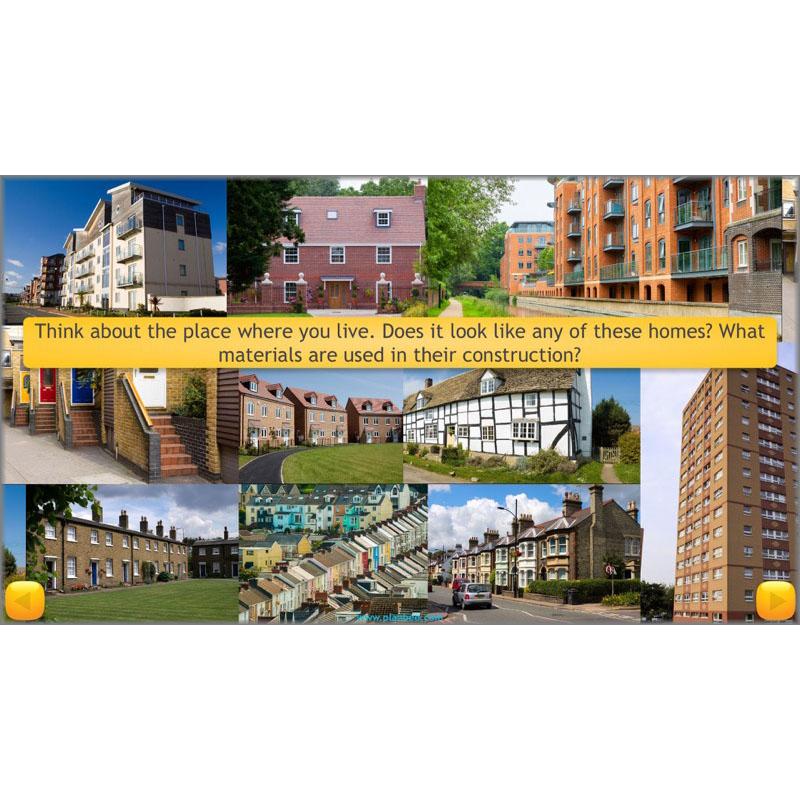
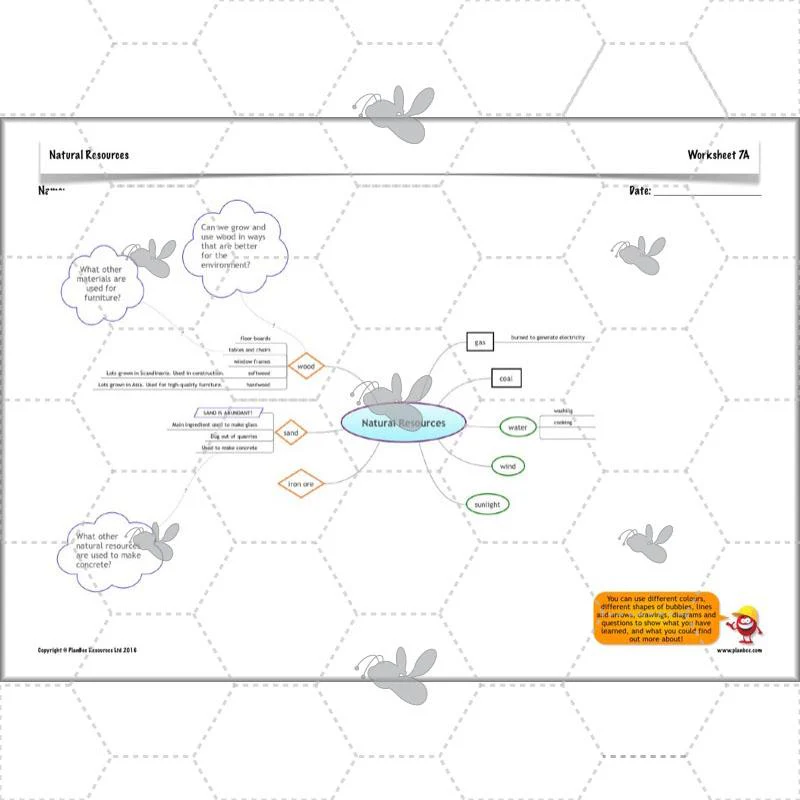
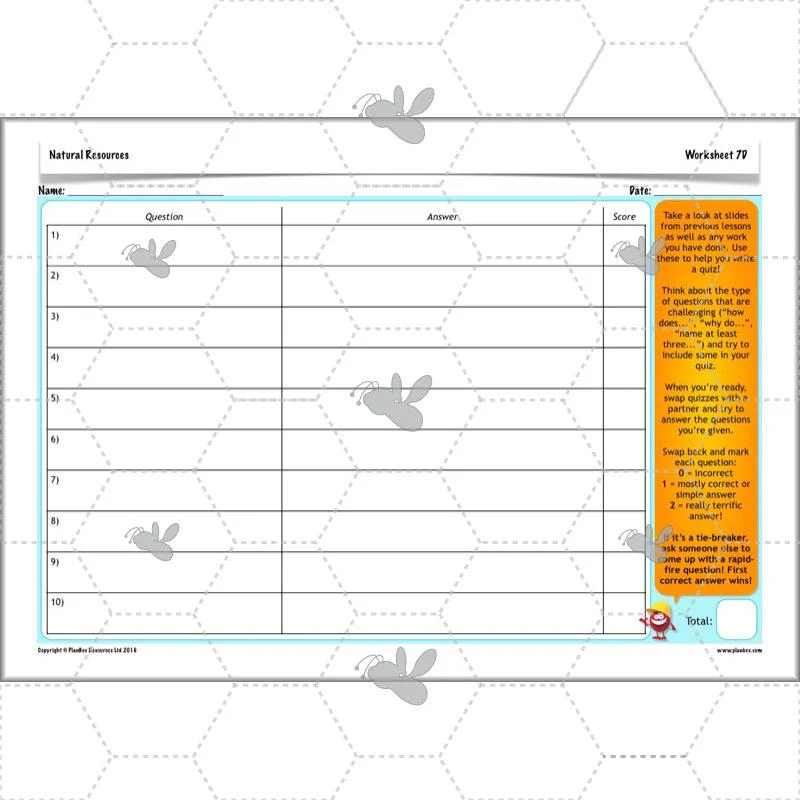
Challenge children to consider and explain what they have learned about natural resources by thinking about the many products supplied to, and used, in their homes. As well as differentiated worksheets to help children plan and structure their writing and drawing, self-assessment and quiz-writing resources are also included, so you can choose how children show what they've learned.
What's included:
- Lesson plan
- Slides
- Activity ideas
- Differentiated worksheets
- Self-assessment sheet
Original: $4.62
-70%$4.62
$1.39Product Information
Product Information
Shipping & Returns
Shipping & Returns
Description
How do we use natural resources in the UK? What is its land used for? What types of natural resources do we use to produce energy? What renewable natural resources do we use? How are products such as concrete, glass, wood and steel produced and traded?
Over the course of up to seven lessons, find out the answers to these questions and many more with 'Natural Resources' - a comprehensive Geography scheme of work for KS2 children in Year 5 or Year 6.
Land Use
In this lesson, explore how we use one of our most important natural resources in Britain: land. Challenge children to consider the many ways land is used, how it has changed and the factors limiting the ways in which it can be used, then get them drawing, labelling and writing illustrated diagrams to show what they know and what they've learned.
What's included:
- Lesson plan
- Slides
- Activity ideas
- Differentiated natural resources worksheets
- Writing/drawing frames
Burning Gas
Explore how fossil fuels such as coal and gas are produced not just in the UK, but in other parts of the world. Go on to discover how these products are used to produce electricity, and how this power is then distributed around the country. Additionally, challenge children to consider some of the problems associated with burning coal and gas before they go on to engage with the included selection of challenging activities.
What's included:
- Lesson plan
- Slides
- Natural resources activity ideas
- Information sheets
- Challenge cards
- Writing/drawing frames
Clean Energy
In this lesson, explore some alternative sources of energy production to coal and gas, including a range of clean, renewables such as wind, solar and hydroelectric. Go on to consider and debate the pros and cons of their use or write at length, depending on which of the included activities you choose.
What's included:
- Lesson plan
- Slides
- Activity ideas
- Information sheet
- Differentiated worksheets
Timber, Paper, Rubber
Where in the world is wood produced? What products are made from trees? Why do we, in Britain, import so much wood and so many wood products? Explore these questions and more with the detailed slides included with this lesson, as your children begin to consider the global trade in natural resources. Go on to consider some of the problems associated with wood production, then make posters using the included differentiated checklists to help with planning work.
What's included:
- Lesson plan
- Slides
- Activity ideas
- Poster planning checklist
Steel Production
The included slides with this lesson explain in simple terms the process of extracting iron ore, as well as producing, transporting, exporting and importing steel. Find out about the countries which produce large amounts of iron ore and steel as well learning about how goods are shipped from mainland Europe to the UK.
What's included:
- Lesson plan
- Slides
- Activity ideas
- Differentiated worksheets
- Information pack
- Quiz slideshow
Glass and Concrete
Like many other countries, Britain produces vast amounts of its own glass and concrete for use in manufacturing and construction. Find out all about the fascinating process of quarrying minerals and producing glass. Following this, children can interpret statistics and present them in a different way to show what they've learned by making 'sand bottles'!
What's included:
- Lesson plan
- Slides
- Activity ideas
- Information sheets
- Teacher’s notes
- Writing/drawing frames
What have we learned?
Challenge children to consider and explain what they have learned about natural resources by thinking about the many products supplied to, and used, in their homes. As well as differentiated worksheets to help children plan and structure their writing and drawing, self-assessment and quiz-writing resources are also included, so you can choose how children show what they've learned.
What's included:
- Lesson plan
- Slides
- Activity ideas
- Differentiated worksheets
- Self-assessment sheet